
What Should You Check Before Hiring a Demolition Contractor in Sydney?
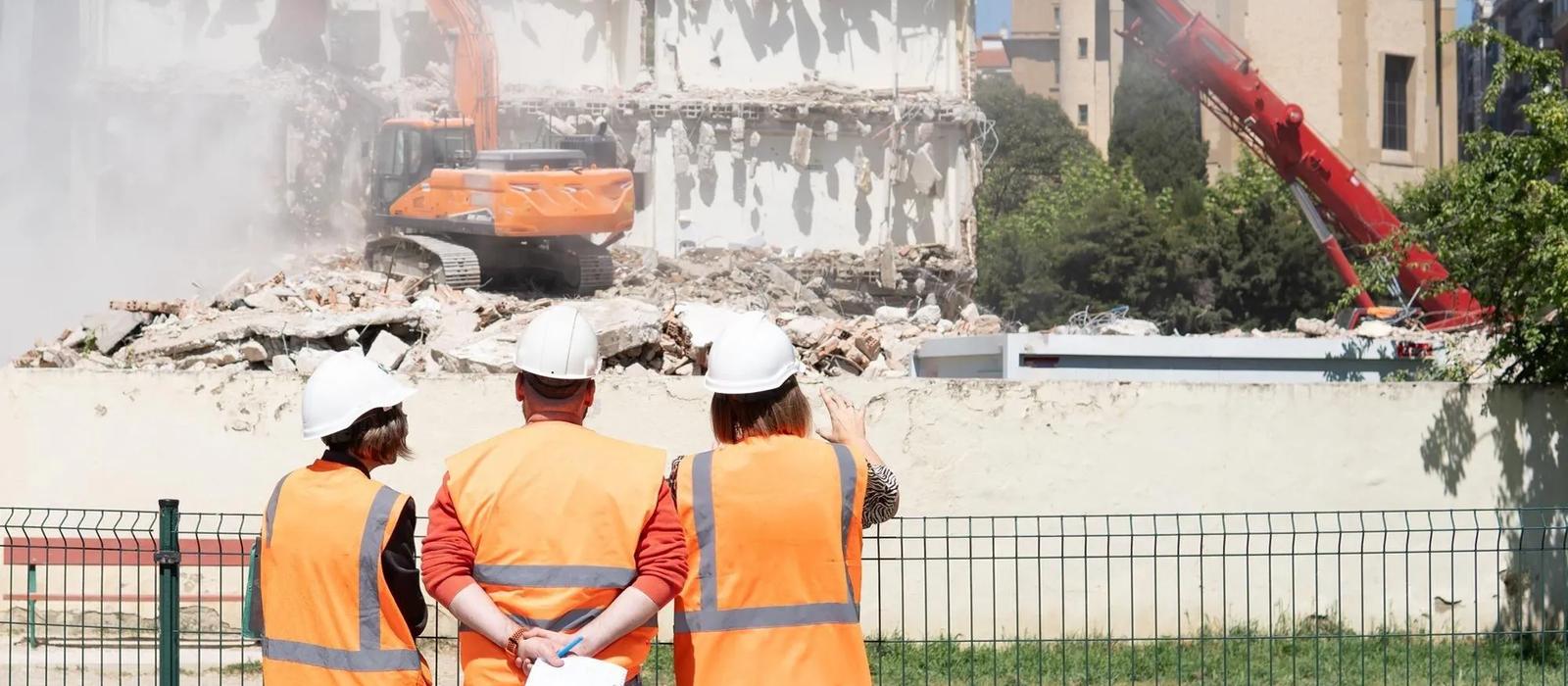
Tearing down an old house, commercial building, or damaged structure is a lot more than just hiring an excavator and clearing the site. With regard to demolition, there are risks to structures, hazardous materials, disposal of waste, neighbouring properties and legal requirements that must be addressed before work can begin.
By hiring experienced demolition contractors in Sydney, property owners can deal with these challenges and prepare their land for future development. However, the quality of services, qualifications or project management is not the same for all contractors.
Whether it’s residential demolition in Parramatta, commercial demolition in Western Sydney or a knockdown rebuild in Liverpool, before you hire a contractor, you need to know what to look for.
This guide provides information on the NSW demolition requirements, contractor licences, insurance, asbestos assessments, quotations and the practical steps involved in choosing a suitable demolition company.
What Do Demolition Requirements and Rules Cover in Sydney?
Demolition work in New South Wales is regulated through planning, building, workplace safety and environmental requirements.
The applicable rules depend on the building's size, location, structure, condition and proposed demolition method.
Planning Approval and Council Requirements
Before demolition begins, property owners should establish whether their project requires development consent, a Complying Development Certificate (CDC), or qualifies as exempt development.
Under NSW planning rules, certain demolition projects may proceed through the complying development pathway when they meet the relevant standards.
However, heritage restrictions, environmental conditions and site-specific planning controls can affect eligibility.
For example, demolishing an older house in Sydney's Inner West may involve different planning considerations from removing a detached structure on a residential property in Blacktown.
Check the relevant planning controls with your local council or an appropriately qualified planning professional before scheduling work.
SafeWork NSW Requirements
Demolition is high-risk construction work, and certain activities require appropriately licensed demolition contractors.
SafeWork NSW requires notification at least five calendar days before specified licensed demolition work, including work involving qualifying structures at least six metres high, load-shifting machinery on suspended floors or explosives.
Other licensing, training and safety requirements may also apply depending on the demolition activity.
A reputable contractor should understand these obligations and explain how they apply to your project.
Asbestos and Hazardous Materials
Older buildings may contain asbestos and other materials that may pose a risk to health and the environment. It is important to plan for the safe management of these materials prior to the commencement of demolition works.
Before demolition, asbestos risks must be assessed and managed. Where licensed asbestos removal is required, appropriately licensed professionals must complete the work before affected areas are demolished.
Other potential hazards include lead-based paint, contaminated soil, chemicals and underground storage tanks.
Identifying these materials early helps prevent unexpected delays and unsafe work practices.
Who Do Demolition Requirements Apply To?
The demolition requirements may apply to home owners, property developers, builders, commercial property managers and contractors.
Residential Property Owners
Residential demolition may involve removing an entire house, garage, extension or other structure before renovation or redevelopment.
Homeowners organising a knock-down rebuild in Parramatta, Liverpool, Penrith or Campbelltown should confirm approvals, disconnect services and prepare the site.
Commercial Property Owners and Managers
Commercial demolition can include office blocks, warehouses, shops and factories.
These often involve additional planning around structure, hazardous materials, neighbouring businesses, public access and waste removal.
For occupied commercial sites, it is important to coordinate demolition with other activities.
Builders and Property Developers
Builders and developers often require demolition prior to site excavation, preparation and construction.
They should confirm what the demolition contractor will and will not remove, what conditions the demolition contractor will and will not leave behind, and what conditions the demolition contractor will and will not prepare.
Both parties should agree on these conditions to avoid any delays between demolition and construction activities.
What Should Property Owners Check Before Hiring Demolition Contractors in Sydney?
1. Check Licences and Relevant Qualifications
Before choosing a demolition company in Sydney, confirm that it holds the licences required for the proposed work.
NSW has restricted and unrestricted demolition licence categories for work that falls within the licensing requirements.
The appropriate licence depends on factors such as structural characteristics, building height and demolition methods.
Ask the contractor for its relevant licence details and verify them through the appropriate NSW authority.
Also confirm that workers and supervisors have the training and competencies required for their tasks.
Do not assume that general construction experience automatically qualifies a business to undertake every type of demolition.
2. Verify Insurance Coverage
There are numerous dangers associated with demolition, including falling debris, structural damage, heavy machinery and risks to neighbouring properties.
Ask to see the contractor's public liability insurance and workers' compensation insurance, as appropriate.
Discuss the insurance arrangements to determine if they address the project risks.
Request insurance documentation, as verification may not be sufficient.
3. Review Residential and Commercial Demolition Experience
Contractors who have experience demolishing small residential structures may not have experience with more complex commercial demolition.
Discuss the contractor's experience with similar buildings, including site and access constraints.
As an example, a residential demolition in Blacktown may require equipment to access the site through neighbouring properties or along the property boundaries.
A commercial demolition in an industrial area may require the removal of larger structures and involve more complex waste management.
Anticipating site-specific issues may require experience with similar situations.
4. Ask for a Detailed Demolition Quote
Demolition quotations should clearly describe what is included and excluded.
Important items include:
- Site inspection and preparation.
- Demolition labour and machinery.
- Removal of structures, slabs and foundations.
- Waste loading, transport and disposal.
- Asbestos assessment and removal arrangements.
- Site clearing and final ground conditions.
- Applicable taxes and additional charges.
Ask if approvals, the disconnection of services, removal of hazardous materials and unforeseen obstructions under the ground, among other things, are included.
A lower quotation may not be the best option if the essential work has not been included.
5. Confirm Asbestos Inspection and Removal Procedures
Management of asbestos is critical for older buildings in Sydney.
Find out if the contractor has reviewed available asbestos information and how suspect materials will be assessed prior to demolition.
If needed, the Competent Person should inspect the property, and the Asbestos Removal License holders should carry out any work that requires an Asbestos Removal License.
Find out how the contractor will manage asbestos removal, disposal and the required clearance process.
Just because asbestos is not visible, does not mean it’s not there.
6. Check Waste Management and Recycling
A typical demolition creates construction waste, timber, metal and brick and concrete building materials.
Find out how the contractor will manage sorting, transportation and disposal of the various waste streams.
Where practical, brick, metal and concrete may be diverted to a recycling facility.
Hazardous waste requires special handling and disposal.
A waste management plan will help ensure that waste is managed appropriately and will improve site organisation.
7. Discuss Site Safety and Neighbouring Properties
Demolition work can impact neighbouring buildings and public areas and may require additional coordination in densely built-up Sydney suburbs.
Before work begins, discuss:
- Site fencing and access restrictions.
- Dust suppression and noise management.
- Protection of neighbouring structures.
- Machinery access and traffic movements.
- Underground and overhead services.
- Emergency procedures and worker safety.
Properties in densely developed Sydney suburbs may require additional coordination because buildings are close together and access is limited.
The contractor should explain how site-specific risks will be managed.
Common Compliance Mistakes When Hiring a Demolition Company
Starting Without Confirming Approval
Some demolition contractors and building owners believe that as soon as a suitable contractor is available, work can start on the demolition.
Not so. Prior to commencement of demolition work, the correct approval pathway must be established.
Work can be illegally started. This could result in prosecution for the building owner and demolition contractor, as well as increased time, expense and other unplanned impacts on the project.
Choosing the Cheapest Contractor Without Checking Qualifications
Cheap prices alone should not influence the awarding of contracts. The contractor’s qualification and experience as well as the proposed work method should also be considered.
A contractor’s price that seems too low may not include the disposal of demolition waste or the management of asbestos or other hazardous materials on site.
Ignoring Underground Services
While gas, electricity and communication services can be easily identified, sewer and water service locations can be difficult to find. Often plans don't show them. Demolition work should not commence until all services are located and managed.
Failing to Plan for Asbestos
Asbestos can be concealed behind surface materials. Asbestos can be disturbed and become airborne if not removed as part of the demolition.
Asbestos should be identified and assessed before commencing any work. Whoever is removing the asbestos should be clearly identified.
Not Defining the Final Site Condition
Some quotations cover only the removal of the above-ground building.
If your next project requires foundation removal, excavation, soil removal or levelling, you should discuss these activities and include them in the agreed scope where appropriate.
When Is Professional Advice or Inspection Required?
Certain qualified professionals for asbestos may be necessary for identification of hazardous materials and for developing removal methodologies.
Planning consultants or certifiers may be able to provide clarification on development approval requirements.
Further assessment may be required for complex structures, contaminated land and land with underlying infrastructure.
Demolition may not be permitted until these assessments are carried out.
Property owners should arrange these assessments before committing to a demolition schedule.
Practical Next Steps Before Starting Your Demolition Project
Identifying the project scope helps the demolition contractor plan how to carry out the work.
Step 1: Define the project scope. Identify which structures, slabs, foundations and other materials need to be removed.
Step 2: Confirm planning requirements. Check whether your project requires development consent, a CDC or qualifies as exempt development.
Step 3: Arrange a site inspection. Allow the contractor to assess building conditions, access, services and potential hazards.
Step 4: Compare quotations. Review the included work, exclusions, proposed equipment and estimated timeframe.
Step 5: Verify qualifications and insurance. Checking the contractor's qualifications and insurance can help ensure you are comfortable with their work.
Step 6: Confirm safety and waste management. The contractor may recommend various ways to address hazardous materials, neighbouring properties and the methods to protect the property.
Step 7: Agree on handover conditions. Discussing how the site should be left, upon completion of the demolition, helps address safety and waste management issues.
These steps help minimise many of the uncertainties associated with demolition and construction projects.
Choosing Demolition Services in Sydney
Working with a demolition contractor who understands local site conditions can make project planning more straightforward.
Ouss Civil is based in Sydney and offers civil and site-related services. Property owners looking to demolish and prepare a site can contact us to discuss their requirements and what services we can provide to assist them.
If your property is in the Western Sydney area, including Parramatta, Blacktown, Liverpool, Penrith or surrounding suburbs, discuss access, the scope of works, how waste will be managed, and site preparation prior to requesting a quotation.
If you have a project you would like to discuss, please contact Ouss Civil
Frequently Asked Questions
1. Do I need council approval to demolish a house in Sydney?
It depends on the proposed work and the property. Some demolition works may be exempt or classified as complying development, while others may require development consent. Heritage restrictions and site-specific planning controls may also influence the approval requirements. Before proceeding, consult your local authority or a suitably qualified professional.
2. How much does residential demolition cost in Sydney?
The cost of residential demolition is determined by the size of the building, the construction materials, access, asbestos, machinery needs, waste disposal, and site conditions. Removal of slabs, foundations or contaminated materials may add cost. The most reliable way to get an idea of your project is through a site-specific quotation.
3. How long does it take to demolish a house in Sydney?
Tearing down a simple house may be a few days’ worth of physical labour, but the whole project can take longer. Approvals, utility disconnections, asbestos removal, site access and waste disposal can all impact the overall time frame. Ask your contractor for a schedule specific to your project.
4. How do I check if a demolition contractor is licensed in NSW?
Obtain the details of the demolition licence and check them with SafeWork NSW. Check that the licence category matches the work you will carry out. Check the qualifications of the workers and make sure the insurance is adequate.
5. Does a demolition quote include asbestos removal and waste disposal?
This varies from contractor to contractor. Some will provide a quote for the removal of asbestos and other work and price foundation excavation or demolition separately. A thorough, written quotation detailing what is included and what is not included will assist you in your decision-making process.
Final Thoughts
Hiring the right demolition contractor is an important step in preparing your Sydney property for redevelopment, renovation or construction.
Before choosing a provider, check the relevant licences, insurance, project experience, planning approvals, asbestos procedures and waste management arrangements.
A detailed quotation and professional site assessment can help you understand the scope of work and reduce the risk of unexpected expenses.
Whether you need residential demolition, commercial demolition or associated site preparation, choosing a contractor with appropriate experience and a clear safety approach is essential.