
How Much Does Excavation Cost in Sydney? What Actually Changes the Price?
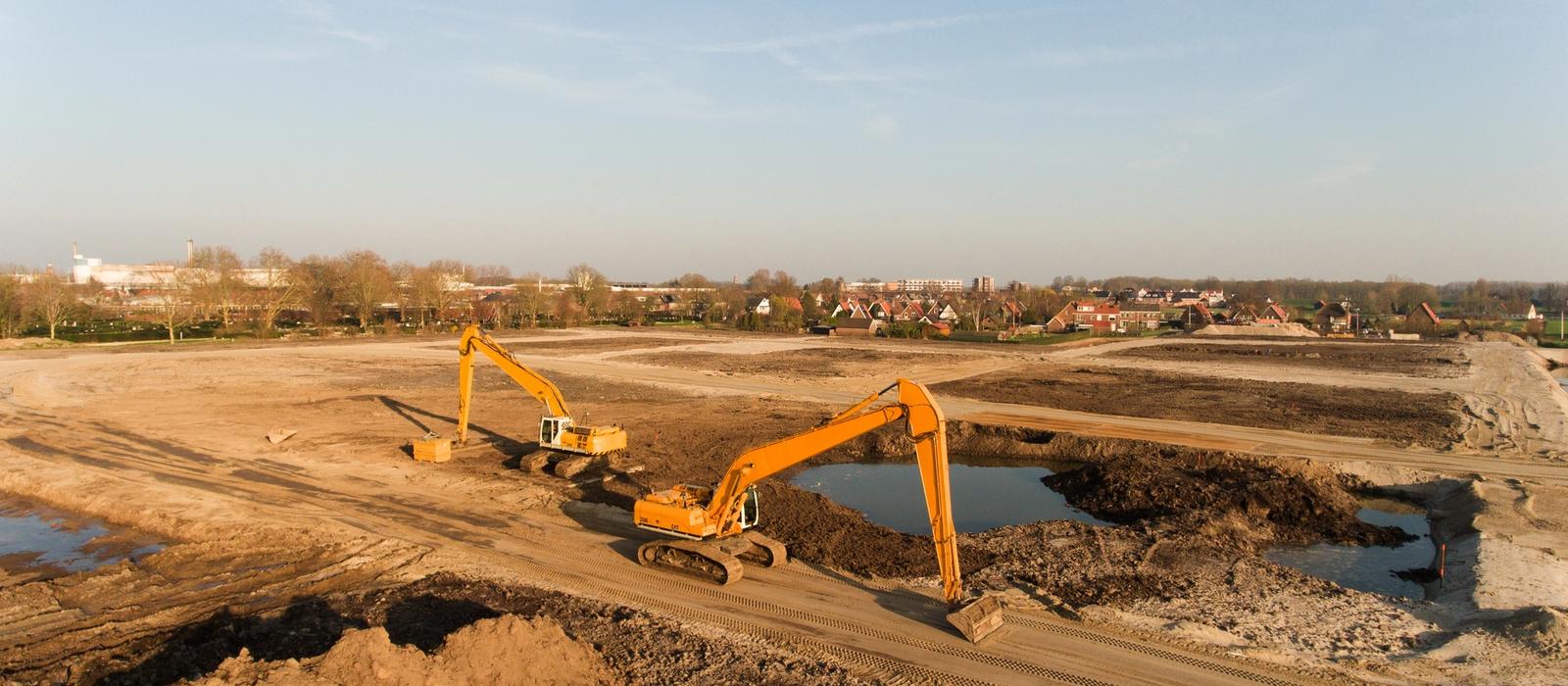
Excavation costs in Sydney vary widely because no two sites are the same. The price depends on the size and depth of the dig, soil or rock conditions, site access, machinery, spoil removal, and disposal. That is why a site-specific quote is far more reliable than a generic per-hour or per-cubic-metre figure.
What Is the Average Excavation Cost in Sydney?
There is no single "average" that fits every project. Contractors price excavation in a few different ways, and the method often depends on the size of the job.
- Hourly equipment rates: you pay for a machine and operator by the hour. This suits small or uncertain jobs. Published 2026 NSW guides commonly put mini excavators with an operator at roughly $90 to $150 per hour, larger machines at about $110 to $260 per hour, and rock-hammer work at $180 to $320 per hour.
- Volume-based pricing: a rate per cubic meter of material removed. Industry guides often show standard soil excavation at about $50 to $120 per cubic meter, with rock excavation costing considerably more, sometimes two to four times as much.
- Project-based (fixed) pricing: a single price for a defined scope, usually after a site visit.
These figures are indicative only, taken from published industry guides, and they are not Ouss Civil's rates. They show how wide the spread is.
Two Sydney sites with the same dimensions can have very different final costs. One might be soft soil with a clear driveway. The other might be a sandstone shelf on a battle-axe block with no room to turn a truck. Same hole, very different job.
What Factors Actually Affect Excavation Cost in Sydney?
The main factors affecting excavation pricing are project size and volume, depth, soil and rock conditions, site access, machinery, spoil removal and disposal, labor, and project duration. Here is how each one changes the price.
Size and Depth of the Excavation
Bigger and deeper digs need more machine time, more labor, more planning, and more truck movements. A shallow footing trench is a short job. A basement, a pool, or a bulk cut across a whole block involves thousands of kilograms of material moving off-site.
Depth matters in other ways too. Deeper excavations may need shoring, batter slopes, or engineering input to keep the walls stable, which adds time and cost. Large-volume work, such as bulk excavation services, is often priced per cubic meter, while small digs are usually priced by the hour.
Soil, Clay, and Rock Conditions
Ground conditions are one of the biggest price drivers in Sydney. Sandy soil is quick to dig. Hard clay, compacted fill, and especially sandstone slow everything down.
Rock often needs a hydraulic breaker or a larger machine, which means a higher hourly rate and far fewer cubic meters per hour. It also produces material that is more expensive to cart and dispose of. Because you often don't know what is under the surface until the digging starts, many contractors quote rock as a separate rate so the base price stays clear.
Site Access and Working Space
Narrow driveways, steep blocks, low overhead wires, and boundary walls limit what machinery can get in. Smaller machines move less soil per hour, and material may need to be carried out in stages instead of trucked away directly.
Tight access is a good example of how conditions change the quote. Ouss Civil's Bellevue Hill project involved removing 1,400 m³ from a site with a single shared access point, a sandstone shelf, and a 2.9 m cut. Access like that changes the method, the machinery, and the schedule.
Excavation Machinery and Equipment
The right machine depends on the job, not on what is available:
- Mini excavators: suit backyards, trenches, and tight access
- Larger excavators: suit bulk cuts, foundations, and civil sites
- Loaders and tip trucks: speed up loading and haulage
- Attachments, such as rock breakers, are needed for rock and concrete.
A bigger machine costs more per hour but can finish faster, so the cheapest hourly rate is not always the cheapest outcome. Good excavation planning matches the equipment to the volume, depth, and access, which is part of what a site assessment is for.
Soil Removal and Disposal
Digging the hole is only half the job. Excavated material has to be loaded, hauled, and taken to an appropriate facility, and that can be a substantial part of the total.
Three things push this cost up:
- Haulage distance: a longer trip to a tip or reuse site costs more.
- Volume: more truckloads, more cost
- Classification: soil must be classified under the NSW EPA waste classification guidelines before it can go to a facility authorized to accept it. Clean natural material is cheaper to dispose of than contaminated soil or material containing asbestos.
Published NSW guides often put spoil removal at around $300 to $600 per truck load, but this varies with classification and distance. For a closer look at what "clean fill" means, see Ouss Civil's guide to VENM vs. ENM. If you only need soil taken away, dirt removal can be quoted on its own.
Site Conditions, Labor, and Duration
Wet weather, high water tables, underground services, existing structures, and tree roots all add time. Before any dig, services such as gas, water, electricity, and telecommunications must be located. SafeWork NSW requires that current essential services information be obtained before excavation work starts. Longer jobs mean more labor and machine hours, so anything that slows the dig raises the cost.
Residential jobs are often smaller but harder because of access and nearby structures. Commercial jobs are larger but usually have better machine access. Sites that also need clearing first may involve land clearing, and sites with old slabs may need concrete breaking and hauling.
Why Cheap Excavation Quotes Can Sometimes Cost More
A low headline price can hide gaps. This isn't about any one contractor. It is about what a quote does and doesn't include. Before you accept one, check:
- Machinery: Which machine and attachments are included?
- Labor: whether the operator and any extra crew are priced in
- Volume: the cubic meters the price is based on, and what happens if it changes
- Spoil removal and disposal: whether truck loads, tipping fees, and classification costs are included
- Mobilization: the cost of getting machines to and from the site
- Site preparation: protection, setting out, and clearing
- Extras: how rock, groundwater, or unexpected services will be charged
An hourly quote with no estimate of hours, or a quote that leaves out tipping fees, can end up well above a higher but complete price. Comparing like with like is the only fair way to judge.
How to Get an Accurate Excavation Quote in Sydney
The more detail you give, the tighter the quote. Gather the following before you ask:
- Site location and address: travel and regional conditions affect the price.
- Excavation dimensions: length, width, and depth, or the volume if you know it.
- Plans and site drawings: architectural or engineering plans and levels, if available.
- Access details: driveway width, gates, slope, overhead wires, and where trucks can park.
- Expected soil conditions: any geotechnical report or notes about rock, clay, or fill.
- Intended use: a pool, slab, basement, retaining wall, or driveway.
- Photos: a few clear images of the site and access point help a lot.
Where the site is complicated, a site visit is the most reliable way to check conditions, probe the ground, and confirm access before pricing. If a retaining wall is part of the job, retaining wall work can be planned alongside the dig.
Get an Excavation Quote for Your Sydney Project
Ouss Civil Pty Ltd is an owner-operated Sydney civil works contractor providing excavation services in Sydney for residential, commercial, and industrial projects, working with its own fleet since 2011. The team offers free site visits, helps with excavation planning and equipment selection, and aims to return a fixed quote within 24 hours of assessing the site. You can learn more about the business before you reach out.
Frequently Asked Questions
How much does excavation cost in Sydney? Excavation cost in Sydney depends on volume, depth, ground conditions, access, and disposal. Published guides show hourly rates of roughly $90 to $260 depending on machine size and soil excavation of about $50 to $120 per cubic meter. A site-specific quote is more reliable.
What factors affect excavation costs? The main factors are the size and depth of the dig, soil or rock, site access, machinery, labor, spoil removal and disposal, and how long the job takes. Hidden conditions, such as rock or services, can also change the price.
Is excavation charged by the hour or by the project? Both are common. Small or uncertain jobs are often charged by the hour, while larger jobs may be priced per cubic meter or as a fixed project price. Ask what the quote covers and how changes are handled.
Does rock increase excavation costs? Yes, significantly. Rock usually needs a breaker or larger machine, takes longer per cubic meter, and costs more to haul. Published guides suggest rock can cost two to four times as much as soil, and it is often quoted as a separate rate.
How much does soil removal cost? It depends on volume, haulage distance, and classification. Guides often show roughly $300 to $600 per truck load in NSW, with higher costs for contaminated material. Always check whether tipping fees are included in the quote.
Planning an excavation project in Sydney? Contact Ouss Civil Pty Ltd to discuss your site requirements and request a project-specific excavation quote.